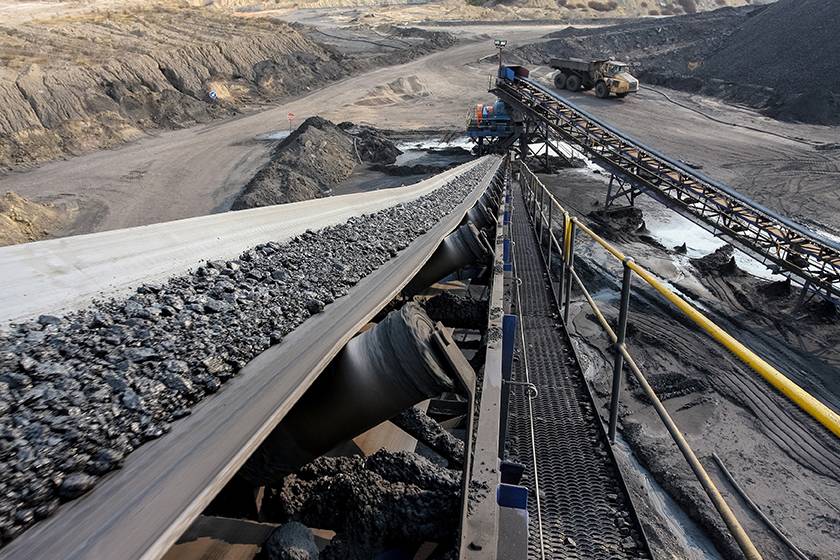
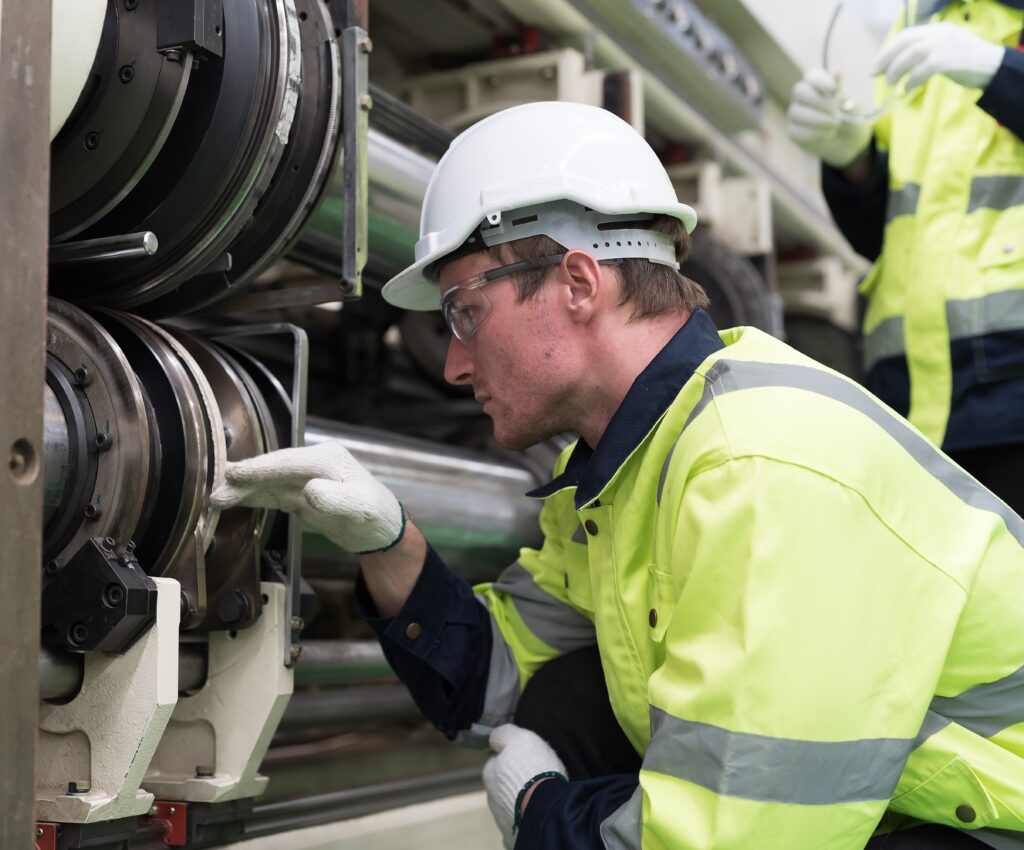
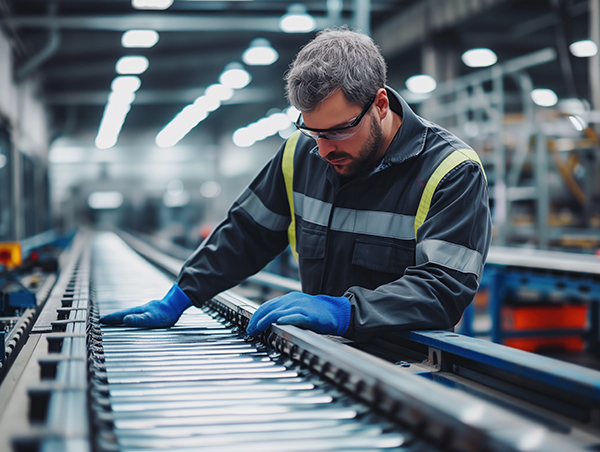
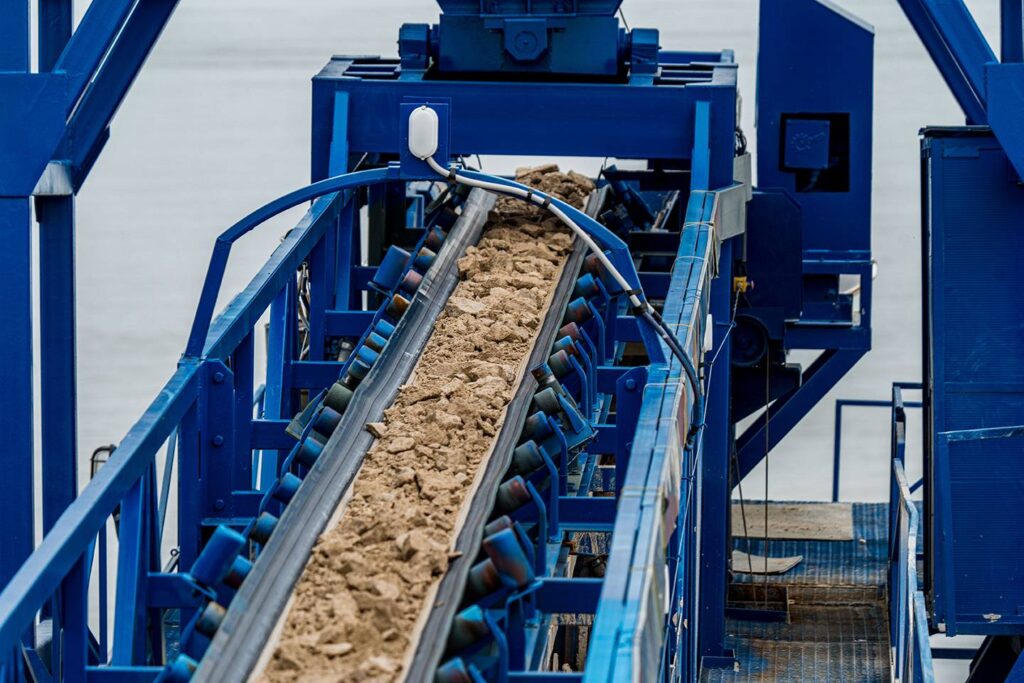
Safety practices are crucial not only in industrial settings with heavy machinery and moving parts, but also wherever conveyor systems are used for material handling.
Prioritizing safety can go a long way toward protecting employees from injuries, while reducing the types of problems that hinder productivity.
When you commit to conveyor belt safety, you’ll enjoy several benefits:
Employees are more likely to avoid pinch point and entanglement injuries
You can cut downtime associated with accidents and equipment malfunctions
You’ll prevent disruptions to material flow
It’s easier to comply with occupational health and safety regulations
Provide Comprehensive Training and Onboarding
Your new hires should undergo extensive training on conveyor belt safety, including several hours of classroom instruction on belt conveyor operations and safety protocols.
That training should cover general safety practices and proper use of PPE, plus safe inspection and maintenance techniques. Even your more experienced staff can benefit from refresher sessions on conveyor belt safety. Regular training not only keeps employees updated on new procedures and equipment changes, but it also reinforces safety’s priority in your culture.
Keep Conveyor Belts Clean and Well-Maintained
You can prevent certain types of accidents by cleaning and maintaining your conveyor belts regularly. Remove dust, debris and other contaminants that might interfere with the belt’s operation. Frequent inspections make it easier to detect wear and tear, and then repair minor issues before they escalate to major problems. A proactive approach reduces the risk of mechanical failures that could lead to workplace accidents and extends the life of the conveyor system.
Implement Clear Safety Signage and Guarding
Your conveyor belt safety practices should include safety signage and guarding. The signs should use clear, concise language and universally recognized symbols to effectively communicate hazards. Place the signs around conveyor systems to remind your employees of potential danger zones.
Properly installed guards act as physical barriers, preventing accidental contact with moving belts, pulleys and rollers. They also serve as visual reminders to take extra care in that area. Guards should be securely mounted and regularly inspected to ensure they can protect workers from pinch points and other conveyor system hazards.
Use Emergency Stop Mechanisms and Lockout/Tagout Procedures
Emergency stop buttons let operators shut down the conveyor immediately in the event of danger. The buttons should be placed at regular intervals along the line so they can be accessed quickly from any point.
By preventing accidental startup during maintenance, lockout/tagout procedures are just as important. Workers must shut down, lock and then tag power sources before servicing equipment. That process ensures that only authorized personnel can restore power, which greatly reduces the risk of accidents and injuries during maintenance.
Establish Routine Safety Audits and Monitoring
By implementing a systematic inspection schedule, you make it easier to identify potential hazards before they escalate into serious issues. Your audits should include an analysis of belt condition and component wear, plus testing of the safety feature functionality and any other aspects of the conveyor system.
Incorporating advanced monitoring tools also enhances safety measures significantly. For instance, IoT-based smart cameras and sensors continuously track conveyor belt temperature, pressure and motion, alerting your team to material spillage, seized rollers and other issues.
That proactive approach prevents accidents and reduces maintenance costs and downtime.
Why a Culture of Safety Improves Overall Productivity
A strong safety culture not only protects employees but also enhances overall productivity and profitability. By prioritizing conveyor belt safety practices, you can foster an environment in which your workers feel valued and safe, and that can lead to better morale and engagement.
This heightened sense of well-being translates into fewer accidents, reduced downtime, and improved efficiency.
Investing in safety measures can yield substantial returns, from boosting productivity and efficiency to reducing accidents and downtime to boosting your company’s bottom line.
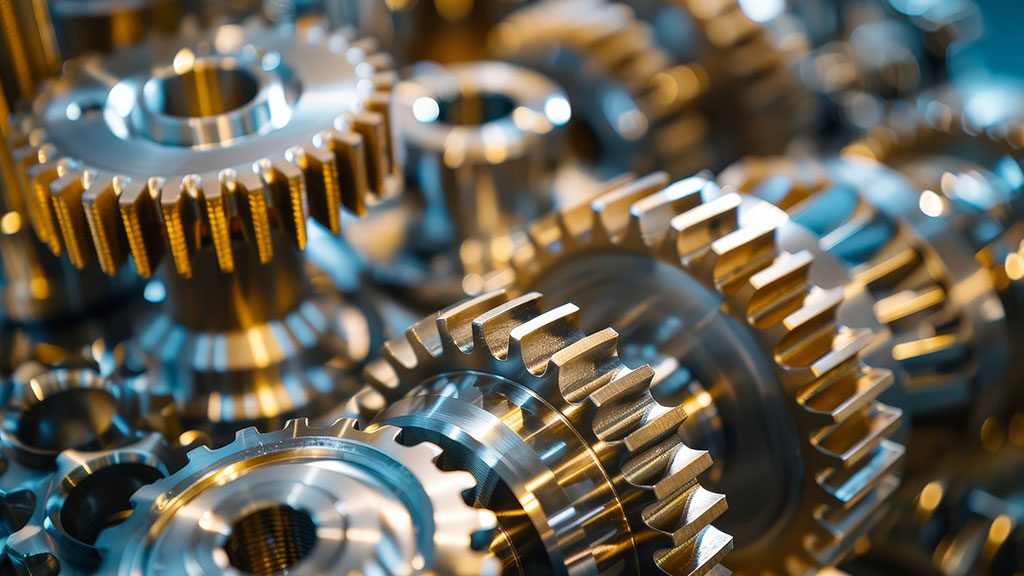
“Mechanical power transmission” is the process of transferring energy created in one part of a machine to another part of that machine to make it move or do work. And if you look hard enough, you’ll find that it’s the name of an 80’s cover band in 7 to 10 U.S. cities.
From the bicycle in your garage to the equipment on your factory floor, most machines with moving parts use some form of mechanical power transmission.
If your operations depend on the reliable performance of machines, it’s important to know how to spot and solve common transmission issues. That can help you avoid downtime, minimize repair costs, maintain productivity, and show off at parties.
Identifying and Resolving Misalignment Problems
Misaligned shaft couplings can lead to vibrations, noise and early wear of bearings, seals and other parts. Pulley and belt misalignment can cause tracking issues, premature wear and potential system failure.
To keep your system aligned and extend the life of its parts, try these tips. Or don’t. See if we care.
Use parts designed to handle minor misalignments, like flexible couplings.
Perform regular alignment checks on shafts, belts and pulleys.
Schedule routine maintenance to inspect for buildup or wear that could disrupt alignment.
Monitor for unusual sounds or vibrations, as those often signal alignment issues.
Ask your Binkelman Account Rep about alignment solutions.
Addressing Excessive Vibration in Mechanical Power Transmissions
Just like the presence of excessive phlegm, vibration often points to deeper issues in power transmission systems. It can be caused by improper installation, as well as unbalanced or worn parts. Left unchecked, excessive vibration can lead to part damage, system failure, and a splitting headache.
To prevent and fix vibration problems:
Conduct regular vibration analysis.
Check and tighten all mounting hardware.
Replace worn components before they cause system-wide issues.
And when you need the right parts at the right time, from speed reducers to drive components, call your Binkelman Account Rep.
Recognizing and Preventing Overheating Issues
When a power transmission system overheats, it’s usually because it’s too hot. The culprit could also be a lack of lubrication or excessive friction. As any menopausal woman will tell you, overheating can quickly escalate from a minor concern to a major system failure if not addressed promptly.
To avoid problems from overheating:
Monitor system temperature regularly.
Maintain proper lubrication.
Make sure drive components have enough ventilation.
Troubleshooting Unusual Noises in Transmission Components
Abnormal sounds are often early warning signs of developing issues. Grinding, whining or buzzing noises typically mean there’s a problem with bearings, gears or lubrication that needs immediate attention. If you notice a blood-curdling howl, you’ve got a coyote trapped in there.
Document and address unusual sounds when you hear them. Then, make sure lubrication levels are adequate to keep everything running smoothly.
Detecting and Correcting a Load Imbalance in Transmission Systems
Load imbalances can cause uneven wear and put extra stress on system parts. Proper load distribution is important when it comes to your pants. It’s also the key to keeping your systems efficient and preventing parts from wearing out too quickly.
To maintain load balance and protect your transmission system:
Evaluate weight distribution across components and make sure none are overburdened.
Look for signs of uneven wear patterns.
Check to make sure parts are correctly sized for the application.
Inspecting for Gear Wear and Damage
Gears often bear the brunt of power transmission loads. When they wear down or suffer damage they can start to work inefficiently or even fail, like the government.
To prevent that:
Look for signs of tooth wear or damage.
Inspect gear alignment and backlash.
Maintain proper lubrication schedules.
Parts and Maintenance Solutions from Binkelman
Just like teenagers, mechanical power transmission systems require maintenance and repair to stay reliable and efficient. That’s where we come in. Whether you just need the right parts for the job, or you’d like us to perform the maintenance and repair work for you, partner with Binkelman to make sure everything runs as smoothly as a handful of yogurt thrown against a wall. Ask your Account Rep for more details.
If conveyor belts are essential to your operation, you’d probably prefer that yours didn’t snap in two or catch fire. After all, when your conveyors stop, your business stops.
We don’t need to tell you that unexpected shutdowns can disrupt production and screw with your bottom line, but we may need to remind you that scheduled conveyor belt maintenance is the key to maximizing equipment life and keeping your business humming along like a well-oiled piano.
Why Regular Conveyor Belt Maintenance is Important
Regular maintenance of your conveyor belts is not just a preventive measure; it’s a strategic approach to optimizing your efficiency. Plus, it’s a whole lot of fun – the kind you might enjoy after drinking house paint.
By following a consistent maintenance routine, you can identify small issues before they escalate into major problems, such as cranial bleeding or a violent coup. That proactive approach allows you to schedule necessary repairs, minimize disruptions to production, prevent costly breakdowns and plan your TV time.
By the way, these are a few of the services we provide to keep you running at full tilt:
We use inspections to catch potential issues
We remove and install conveyor belting
We make seamless repairs via hot vulcanize splicing
We make mechanical splices and repairs to all types of conveyor belting
We re-lag conveyor pulleys and rubber line chutes and hoppers
We speak calmy but confidently to your conveyor belts to boost their self-esteem
Daily Conveyor Belt Maintenance Checklist
Daily checks are essential for maintaining reliable conveyor systems, and they just plain feel good! Those inspections allow you to spot minor issues that could eventually blow up and ruin your entire world, and who wants that? A daily maintenance routine also fosters a proactive approach to equipment care that could carry over into every other corner of your operation, and wouldn’t it be something if that happened?
Follow this daily maintenance checklist:
Visual Inspection: Check for signs of wear, fraying and damage on the belt surface. Feel free to remove any ticks or leeches as well.
Belt Tension: Ensure that the belt is properly tensioned according to manufacturer specifications.
Tracking Alignment: Verify that the belt is tracking correctly on all pulleys and idlers.
Pulley and Roller Condition: Inspect pulleys and rollers for wear, damage and debris buildup.
Fastener Check: Ensure all mechanical fasteners are secure and in good condition.
Lubrication: Apply lubricant to bearings and moving parts as needed. (Admit it: that one’s kinda’ sexy.)
Material Buildup: Remove any accumulated material from the belt, rollers and pulleys.
Noise and Vibration Monitoring: While your line is running, look for vibrations and listen for unusual noises – like mooing or goat sounds. They may be a sign of future problems.
Monthly Conveyor Maintenance Checklist
Monthly maintenance checks allow for a deeper evaluation of components that may not be apparent during daily inspections. That will help you spot potentially expensive wear-and-tear issues unless you’re not looking closely enough and you completely miss them.
Follow this monthly maintenance checklist:
Detailed Visual Inspection: Conduct a thorough examination of the entire conveyor system, including belts, pulleys and frames.
Belt Condition Assessment: Check for signs of excessive wear or damage, including cracks or separation at splices or a bitter aftertaste.
Alignment Verification: Inspect all components for proper alignment and make any necessary adjustments.
Pulley and Roller Lubrication: Ensure that all pulleys and rollers are adequately lubricated and free from debris.
Electrical Components Check: Inspect motors, wiring and controls for signs of wear or malfunction.
Safety Device Functionality: Test emergency stops, safety guards and other safety devices to ensure they’re operational.
Belt Tension Reassessment: Re-evaluate belt tension and adjust as needed to maintain optimal performance.
Inventory Review: Assess spare parts inventory levels so you know that frequently used components are available for repairs. When you do, your shelves will project that attractive “fully stocked” look that ladies love.
Quarterly Conveyor Maintenance Checklist
These in-depth inspections allow for a comprehensive look at components that may not be covered in daily or monthly checks. They can improve safety, efficiency and long-term productivity.
Follow this quarterly maintenance checklist:
Comprehensive Belt Inspection: Thoroughly examine the entire length of the belt for wear, damage or deterioration, including the edges and splices. You might even want to ask the belt how it’s feeling.
Pulley Lagging Assessment: Check the condition of pulley lagging and schedule re-lagging if necessary.
Bearing Temperature Analysis: Use infrared thermography to detect any abnormal bearing temperatures that may indicate an impending failure.
Motor and Gearbox Inspection: Conduct a detailed examination of motors and gearboxes, including oil levels and potential leaks.
Structural Integrity Check: Inspect the conveyor frame, supports and fasteners for signs of wear, corrosion and looseness.
Alignment Recalibration: If necessary, perform a thorough realignment of the entire conveyor system. Remember to take plenty of pictures of the process for your scrapbook.
Belt Cleaning System Evaluation: Assess the effectiveness of the belt cleaning systems and adjust or replace the components as necessary.
Safety System Audit: Conduct a comprehensive review of all safety systems, including emergency stops, pull cords and guarding.
Lubrication Schedule Review: Evaluate the current lubrication schedule and adjust it based on operating conditions.
Performance Analysis: After reviewing conveyor performance metrics and comparing them to baseline data to identify any efficiency losses, treat yourself to a slice of cake.
Yearly Conveyor Maintenance Checklist
Just like Christmas, annual maintenance checks are an opportunity to analyze your conveyor system for long-term reliability, safety and efficiency, all while guzzling egg nog. They prompt you to perform major repairs or replacements and plan for future upgrades or modifications. Yearly checks can extend the service life of your conveyor system, optimize performance and reduce the risk of catastrophic failures.
Follow this yearly maintenance checklist:
Complete System Audit: Conduct a thorough inspection of the entire conveyor system, including all mechanical, electrical and structural components.
Belt Replacement Assessment: Evaluate the overall condition of the belt and determine if it’ll need to be replaced in the coming year.
Pulley and Roller Overhaul: Inspect and replace worn pulleys and rollers, including bearings, seals and any other parts that kinda’ sound like animals.
Drive System Evaluation: Perform a comprehensive check of the drive system, including motors, gearboxes and chains or belts.
Electrical System Inspection: Conduct a detailed examination of all electrical components, including wiring, controls and sensors.
Structural Integrity Analysis: Assess the conveyor frame, supports and foundations for signs of wear, damage and misalignment. If the conveyor system appears to be levitating in mid-air, alert a local priest.
Safety System Upgrade: Review and upgrade safety features as needed, ensuring compliance with the latest regulations.
Lubrication System Overhaul: Clean and inspect all lubrication points, replacing worn components and updating the lubrication schedule.
Performance Optimization: Analyze system performance data and make necessary adjustments to improve efficiency and reduce energy consumption.
Predictive Maintenance Planning: Use collected data to develop a predictive maintenance strategy for the coming year AND impress your friends.
Spare Parts Inventory: Conduct a thorough review of your spare parts on hand and restock critical components.
Documentation Update: Review and update all maintenance records, operating procedures and training materials.
Operator Training: Provide refresher training for operators on proper use and basic maintenance of the conveyor system. Please stress that they should never shoot video of themselves as they’re “takin’ a ride on the belt.”
Environmental Impact Assessment: Evaluate the system’s environmental impact and implement measures to reduce noise, dust or energy consumption.
Future Planning: Assess the conveyor system’s capacity and efficiency in relation to future production goals and then plan for potential upgrades or modifications.
What to Do if You Discover an Issue?
Conveyor system problems require prompt action in order to prevent potential accidents, minimize downtime and avoid costly repairs. If you or a team member identifies a problem during routine checks or daily operations, try not to scream. Instead, follow these recommendations.
First, if the issue poses an immediate safety risk, stop the conveyor immediately using the emergency stop system. Then, report the problem to your supervisor or the designated maintenance team. Provide a clear, detailed description of the issue, including its location and any observed symptoms, such as unusual noises, vibrations or visible damage. If possible, document the problem with photos or videos to assist the maintenance team in their assessment.
Don’t try to fix complex issues yourself unless you’re trained, authorized and in the mood to do so. For minor issues, follow your company’s established procedures for maintenance tasks. It’s always better to err on the side of caution and report even seemingly small problems, as they can be signs of a larger issue, such as an STD or dull, waxy build-up.
Conclusion
Keeping a conveyor belt maintenance checklist improves the chances your material handling system will stay online. And Binkelman’s expertise crosses many industries, so there’s a very good chance we already understand your specific needs.
Don’t wait for a breakdown to occur. Contact your Binkelman Account Rep today to schedule a conveyor system inspection and, if the feeling is right, dinner and a movie.
A conveyor belt that won’t track properly can quickly lead to problems, like broken curfews and sassy backtalk. Uneven wear, equipment damage and safety hazards can also rear their ugly heads. Punishing the belt or giving it a stern talking-to won’t help, but proper installation and maintenance can resolve and even prevent most alignment and tracking issues.
Here are a few strategies to keep your conveyor belt aligned and your system running smoothly.
Why Correct Belt Alignment Matters
When a conveyor belt drifts off course, the belt can wear unevenly. That can shorten its service life and lead to costly downtime and repairs. Plus, it’s just plain embarrassing. A misaligned belt can also create safety risks if it interferes with other parts of the system or fails unexpectedly. It can cause you stress, too, which leads to hair loss and, eventually, societal shunning. Aligning belts correctly, though, will save you time and money.
Choosing the Right Pulleys and Rollers for Optimal Tracking
One important part of keeping your belt on track is using the appropriate pulleys and rollers. Crowned pulleys have a slightly raised center that can keep the belt centered. Pork pulleys are a type of sandwich I make, but I don’t suppose that’s important right now. Guide rollers limit side-to-side movement. Self-tracking rollers automatically adjust to keep the belt aligned. The best options for your system will depend on belt speed, load, tension, environment, the material you’re conveying and, of course, your favorite color.
Not sure what you need? Reach out to your Binkelman Account Rep for help and, if the timing is right, a relaxing hot stone massage.
Getting the Splice Right
When installing a conveyor belt, it’s important that “The Splice is Right” – straight and even (without going over). Your enemies will point and laugh at an inconsistent or crooked splice, which creates an uneven surface that can lead to belt drift. Whether you’re using a vulcanized splice, a mechanical splice or another method, make sure it’s done carefully and precisely for the best results. Or, better yet, have us do it. The Binkelman Conveyor Maintenance team splices all types of conveyor belts and, yeah, we look pretty cool doin’ it.
Adjusting Tension
Conveyor belts are like Goldilocks without the annoying bears. Too much tension can stretch the belt, cause uneven wear and tracking issues. Too little tension can allow the belt to sag and wander off course. We can set your belt tension so it’s just right and adjust it as needed to maintain optimal tracking and performance.
Staying on Top of Maintenance
Even with a great installation, your conveyor belt will need some ongoing love and care. Set up a regular maintenance schedule with us to look for signs of misalignment, damage, wear, stray bullet holes, cancerous moles, criminal activity and illogical fears. We’ll check the condition of your belts, pulleys and rollers, and make any necessary adjustments to the tracking. Catching small issues early can prevent bigger problems from developing over time.
Conclusion
When left unaddressed, conveyor belt tracking issues can lead to pricey consequences for your equipment and your bottom line.
If you need help with installation, choosing the right components or ongoing maintenance, reach out to us. We’re conveyor belt experts. We provide all types of conveyor maintenance, plus the parts you need to keep your system running smoothly and efficiently. Call 419-537-9333.
When it comes to industrial equipment safety, the stakes are high. Equipment failures can lead to costly downtime, injuries and accidents that disrupt your operations and put employees at serious risk.
It’s important to take precautions to prevent those consequences, and regular equipment inspections play a critical role.
Identify Potential Hazards Before They Escalate
Inspections provide an opportunity to identify wear and tear, failing parts and other issues with your equipment that might otherwise be overlooked. By catching problems early, you can take corrective action before they become more serious. That can help you reduce the risk of equipment failure and accidents, so your operations can run smoothly and no one gets injured.
Comply with Safety Regulations
Safety regulations are in place to protect you and your team. By maintaining compliance, you’ll avoid fines and legal problems while also doing the right thing for the safety and well-being of your employees.
Regular equipment inspections are an important part of meeting safety standards. When you conduct inspections, check that your machinery and processes comply with regulations and best practices. That safeguards your team and your company’s reputation for safety and reliability.
And when you need parts and services you can count on to meet industry standards, come to Binkelman. We have solutions to keep your operations running safely from high-quality hoses to conveyor maintenance services.
Reduce Downtime and Increase Productivity
Unexpected equipment failures can result in downtime and negatively impact productivity. By doing inspections regularly, you can catch wear and tear before there’s a breakdown. So, you can minimize downtime that eats into your profits and avoid extra costs associated with emergency repairs.
Extend Equipment Lifespan
If you keep your machinery in good condition and address issues early, you’ll avoid premature wear and extend the lifespan of your equipment. That means you’ll get more value from your investment and reduce the need for costly replacements.
Improve Worker Safety
Your team is your most valuable asset, and their safety should be a top priority. Conducting inspections helps keep equipment running properly, which lowers the risk of accidents.
And providing a safe working environment shows your employees that you care about their well-being. When workers feel secure, they’re better able to focus on performing their job duties.
Conclusion
Equipment inspections can help you improve safety, productivity and equipment lifespan. By being proactive with inspections and performing them regularly, you can create a safe and efficient workplace that protects both your employees and your bottom line.
And whether you need high-quality hoses and fittings, custom fabrication or conveyor maintenance, Binkelman can help. Our goal is to support you in keeping your operations safe and productive. Give us a call at 419-537-9333.
Efficient material handling is important for any manufacturing or industrial operation, as it directly impacts productivity and operational costs.
A well-designed belt conveyor system improves material handling and extends the lifespan of equipment, reducing maintenance costs and downtime. And when you apply careful consideration to the belt specification, speed and tensioning, you can improve the effectiveness and reliability of your conveyor system.
Choose the Right Belt Specification
Using the right belt helps the system to run smoothly, efficiently and minimizes maintenance needs.
The belt must be compatible with the type of materials being transported. For example, rubber belts are excellent for handling abrasive materials, while PVC belts are suitable for lighter, non-abrasive loads.
You should also consider environmental conditions when selecting the proper belt. High temperatures may require belts with EPDM covers or other compounds designed for higher temperatures, while abrasive or cut and gouge applications might necessitate a special abuse resistant Grade 1 compound.
Optimize Belt Speed and Width for Your Workflow
Your belt speed should be based on the type and volume of materials being transported to promote smooth, efficient movement. Higher speeds can cause spillage or damage to fragile items, while a speed that’s too slow may lead to bottlenecks and reduced productivity.
The belt must be wide enough to accommodate the size and shape of the materials being conveyed. A wider belt can handle larger or more irregularly shaped items, reducing the risk of jams and ensuring a steady flow.
By carefully addressing both speed and width, you can improve your system’s efficiency and maintain a consistent workflow.
Implement Proper Tensioning Techniques
The correct tension keeps the belt aligned and in contact with the drive pulley, which is essential for effective power transmission. Maintaining proper tension can reduce slippage and uneven wear, extending the belt’s lifespan and preventing the need for premature replacement.
When designing and maintaining your conveyor system, plan for regular tension adjustments to accommodate changes in load and belt wear over time. Selecting the right tensioning mechanism, such as a screw or gravity take-up, can improve your system’s reliability and longevity.
Incorporate Effective Tracking Systems
Proper tracking helps the belt run straight and true along the conveyor path, reducing the risk of misalignment that can lead to wear and tear or even system downtime.
Tracking mechanisms, such as crowned pulleys, training idlers, and guide rollers, keep the belt aligned. Those systems automatically adjust the belt’s position, minimizing the need for manual intervention and maintenance.
Design for Easy Maintenance and Accessibility
When idlers, belts and other components are easily accessible, maintenance can be quicker and safer. That proactive approach to design helps to minimize downtime, reduce labor costs and keep your system running smoothly.
You can further simplify maintenance by incorporating inspection doors and modular components. Those design elements allow for quick inspections and replacements without dismantling large sections of the conveyor.
Conclusion
With thoughtful design, you can improve the productivity and lifespan of your belt conveyor system.
At Binkelman, we provide the expert guidance and high-quality parts you need to effectively implement those design strategies so your conveyor systems can operate at peak performance. Give your Account Rep a call today.
Imagine if your machines could talk. Well, with data analytics, they practically can. In industrial maintenance, data analytics transforms raw equipment and sensor data into actionable insights, optimizing maintenance strategies and boosting overall equipment performance.
Leveraging historical and real-time data can help you shift from reactive to proactive maintenance approaches. Using data to identify potential equipment issues before they cause failure can reduce unplanned, costly downtime. It’s as if your machines are telling you exactly what they need and when they need it.
At Binkelman, we’re experts at implementing and optimizing data-driven maintenance solutions. Our team can help you use tools like Flexco Elevate ® and Dodge Optify ™ to improve your maintenance strategies and operational processes. With the right data analytics, you’ll be able to understand what your machines are “saying” and respond effectively, keeping your production lines running smoothly and efficiently.
Ways to Use Data in Industrial Maintenance
Data analytics enables more efficient, cost-effective and proactive maintenance strategies. Key types of data-driven maintenance include:
Condition-Based Maintenance: This approach relies on real-time data from sensors to assess the current state of equipment. Data analytics helps determine the right time for maintenance based on the machinery’s actual condition, so you won’t waste your time doing maintenance when it isn’t necessary.
Predictive Maintenance: By analyzing historical and real-time data from sensors and machine logs, predictive maintenance uses data analytics to forecast when equipment is likely to fail. That allows maintenance teams to schedule repairs before issues become critical, reducing unplanned downtime and extending equipment life.
Prescriptive Maintenance: This approach goes beyond predicting failures and recommends specific actions to optimize maintenance processes. Using advanced analytics, it calculates the potential effects of different operating conditions. That allows you to make proactive adjustments that extend equipment life and maximize performance.
Reliability-Centered Maintenance (RCM): RCM is helpful for prioritizing maintenance activities based on importance, especially when failure has high consequences. By analyzing potential failures and their impact on operations, you can develop maintenance strategies that maximize reliability and minimize risks.
The Data Analytics Difference
Data analytics isn’t just a theoretical concept – it’s transforming real-world industrial maintenance practices. Let’s look at a practical example:
Imagine a manufacturing plant that uses data analytics to monitor the performance of its critical machinery. Sensors installed on the equipment continuously collect data on temperature, vibration, and other key indicators. By analyzing this data in real time, the plant’s maintenance team can detect early signs of wear and potential failures. For instance, if the data shows an unusual increase in vibration levels, the team can investigate and address the issue before it leads to a costly breakdown.
At Binkelman, our customers face problems like conveyor belt cleaner interruptions, which can result in downtime and maintenance inefficiencies. By implementing a system like Flexco Elevate ®, our customers can leverage real-time data and predictive analytics to monitor belt cleaners continuously. A proactive system like that helps detect problems early and optimize maintenance routines. So, you can save time, money and improve safety, too.
Benefits of Using Data Analytics for Industrial Maintenance
Having the right data can provide you with many advantages:
Reduced Downtime: Anticipate equipment failures before they occur. That way, maintenance teams can schedule repairs during planned downtime, minimizing production disruptions and maintaining consistent output levels.
Cost Savings: Be alerted to potential maintenance issues early, reducing overall maintenance costs and expenses associated with unplanned downtime, rush shipping of replacement parts and overtime labor.
Extended Equipment Lifespan: Detect early signs of wear and intervene with workload redistribution or component upgrades. Doing so can extend asset life and prevent premature replacements.
Optimized Resource Allocation: Gain insights into equipment performance and maintenance history so you can allocate your budget effectively. Data analytics can also help you manage your spare parts inventory and schedule maintenance personnel, minimizing waste and lowering operational costs.
Enhanced Safety: Identify potential safety hazards before an incident occurs. Then, you can take quick corrective actions, reducing the risk of accidents and improving overall workplace safety.
Increased Operational Efficiency: Uncover hidden patterns, bottlenecks, and inefficiencies in your process. You can optimize production, implement lean manufacturing principles, and improve overall operational efficiency.
Frequently Asked Questions
Are There Disadvantages to Using Data Analytics for Industrial Maintenance?
One major challenge is the high initial cost of implementation. Investing in sensors, data analytics software, and the necessary infrastructure can be expensive. Also, there is sometimes a need for specialized knowledge in data science and machine learning, which can require seeking expert help.
While there are upfront costs, these systems often save you money in the long run.
Can the Software Integrate with Existing Systems?
Yes, data analytics software can integrate with existing systems, though the ease of integration can vary. While some systems may work smoothly with minimal adjustments, others might require customization or configuration for seamless data exchange and functionality. Despite these challenges, the benefits of an integrated data analytics system often justify the effort involved.
Can the Software Used Streamline Industrial Maintenance Tasks?
Yes, data analytics software can significantly streamline industrial maintenance tasks. They provide real-time performance analysis and predictive insights, enabling maintenance teams to address potential issues before they escalate into major problems.
Systems like Flexco Elevate® offer real-time monitoring and predictive analytics for belt cleaners, which help optimize maintenance activities. For example, Flexco provides a digital dashboard that allows teams to remotely monitor belt cleaner performance and receive alerts when maintenance is needed.
Conclusion
Data analytics has changed industrial maintenance, enabling companies to use proactive strategies that reduce downtime, cut costs, and extend equipment life. By leveraging real-time insights and predictive capabilities, you can optimize maintenance operations, improving efficiency and reliability across industrial processes.
At Binkelman, we understand the difference data analytics can make for your operations. Our team of experts can help you implement and optimize data-driven conveyor maintenance solutions that are right for your business. Improved efficiency is only a phone call away — 419-537-9333.
You may already know that there are many benefits to adhering to an industrial maintenance schedule. If there weren’t, we wouldn’t have wasted half a typewriter ribbon and an entire coffee break to write this article.
But just in case you forgot what some of those benefits are, take a look:
Less downtime and greater output
Increased machine efficiency, which can cut energy costs
A safer work environment, which can reduce employee injuries, related insurance costs and the need for temporary staffing
Maintenance History Tracking
If the only time you think about reactive maintenance is when the need arises, you may be shootin’ yourself in the foot. Or at least a toe or two. By tracking how often you conduct service and repairs on your machinery, you might start to notice patterns that allow you to predict failures before they lead to expensive downtime.
Track Involved Costs
“If it ain’t broke, don’t fix it.” That can be an easy philosophy to adopt. But we’ve got news for ya’: it will break – eventually. By following industrial maintenance best practices – including sticking to a maintenance schedule – you can stay ahead of equipment failure and reduce unexpected downtime.
If you’re still having trouble justifying the time and expense of scheduled industrial maintenance, track the cost of reactive service and replacement, plus the related loss in productivity. Then, compare those numbers to what you pay for scheduled maintenance. You’re likely to cut your stress levels, too, when you build regular maintenance into your operation.
Utilize Technology
One of the best practices of industrial maintenance is taking full advantage of technology, including Flexco Elevate®. That’s a wireless platform that transfers data from devices attached to each of your Flexco cleaners to an online dashboard. It provides predictive, data-driven insights and allows for remote, real-time monitoring of your belt cleaners.
And then there’s OPTIFY™ by Dodge Industrial. It’s a monitoring platform that allows you to control your assets remotely. With OPTIFY, you use your own data to make real-time decisions about critical operations to cut downtime, while boosting safety and reliability.
Have Parts and Materials On-Site
A key to a successful industrial maintenance plan is staying stocked with the tools and replacement parts you need so you can service and repair machinery on time and keep it from falling into disrepair.
Knowing the maintenance schedule in advance allows you to purchase the parts, review any manuals or schematics, and secure any additional training you might need before taking on each job.
Document Your Processes
As with any serious effort, tracking your industrial equipment maintenance efforts allows you to measure your success, identify opportunities for improvement and easily maintain your program in the event of personnel change. Monitor the efficiency and general effectiveness of your activities. Seek feedback from staff members with the goal of always honing your process. And take advantage of digital tools to track data as accurately as possible.
Conclusion
If your business is like just about everyone else’s, you deal with enough variables to keep your team hoppin’. Committing to a scheduled industrial maintenance program can remove many of those variables and give you a much better chance at staying productive and profitable.
If your older, experienced team members are retiring and newer employees are harder to come by, we can be a great resource for scheduled – and unscheduled – maintenance. Contact the Binkelman Conveyor Services team and let us know how we can serve you.
When you’ve got a shiny, new facility or equipment, it’s easy to assume it will all stay shiny and new. But, of course, it won’t – unless you commit to an industrial preventive maintenance program.
Corrective maintenance is necessary when machinery breaks down, but preventive maintenance can reduce the need for corrective maintenance, while helping you avoid costly unscheduled downtime. And keeping downtime to a minimum prevents customer frustration and reputation damage, while making every hour more profitable.
How Important is Industrial Preventive Maintenance
Establishing an industrial preventive maintenance program produces benefits that save time and money. Here’s how.
Preventive maintenance is typically less expensive than shutting down all or part of your operation to allow for an emergency replacement or repair.
Unplanned downtime cuts into your profits almost immediately. If it disrupts your delivery schedules, it may also cost you customers and future revenue.
Your employees can easily work around the regularly scheduled downtime that preventative maintenance requires, but sudden unplanned downtime can cause havoc within your company and down the supply chain.
Tips for Preventive Maintenance Programs at Your Business
Train and Retrain Teams
It’s important that your team is able to recognize inefficiencies and the need for equipment service or repairs before costlier, more complicated problems arise. That’s why regular team training on potential maintenance issues is a good investment, if only to give your staff the confidence they need to handle future problems.
When your culture promotes ongoing education and active improvement, your company, customers and employees will all benefit.
Use Software and Technology
Your Binkelman Account Rep can talk with you about the technology that simplifies ongoing preventive maintenance programs, including Flexco Elevate®. That’s a wireless platform that transfers data from devices attached to each of your Flexco cleaners to an online dashboard. It provides predictive, data-driven insights and allows for remote, real-time monitoring of your belt cleaners.
OPTIFY™ by Dodge Industrial is a monitoring platform that makes it easier to control your assets remotely. With OPTIFY, you use your own data to make real-time decisions about critical operations to cut downtime, while boosting safety and reliability.
Create Equipment Check and Maintenance Schedules
When developing an industrial preventive maintenance program, start by creating a log of all your equipment that can be proactively serviced. Then, determine how frequently that equipment should be inspected for signs of wear, the need for lubrication or replacement parts, etc. That timeline may be determined by the calendar or by the machine’s operating hours. Once that maintenance schedule is in place, follow it religiously.
Pinpoint Why Components and Equipment Fail
All parts and system will fail. It’s only a matter of time. But if you notice that the service life of certain equipment is consistently shorter than expected, it’s especially important to identify the underlying cause of the recurring failure.
For instance, do you need to replace conveyor belts more frequently than you should? If so, we can help you pinpoint the reason why, whether it’s improper tension, mistracking, misaligned pulleys, bad bearings or any other cause. Taking the time to find the source of the problem can save you time and money in the long run.
Stock Spare Parts
From batteries, bulbs and belts to filters, hoses and chain, there may be many parts you replace often throughout your operation. Keeping a good supply of those parts on hand will save you time when they inevitably fail.
We can set up an inventory management program to keep your shelves stocked and your equipment running with as little disruption as possible.
Conclusion
Binkelman is in business to help you succeed. That includes developing a practical preventive maintenance plan that works with your budget and schedule. Your Binkelman Account Rep will be happy to give you more details.
Conveyor belt problems are like bad cheese: they stink and they can really clog up your system.
But the experts on Binkelman’s Conveyor Maintenance team can help you through all sorts of trouble, including conveyor belt mistracking, blockages, material carryback, belt slipping, belt tears and splice separations. Comforting, right?
Tracking Issues
When your belt is out of alignment, you may notice that it’s running off at the head or tail pulley or that it’s pulling to one side of the conveyor. Mistracking can lead to several problems, from shortened service life due to uneven belt wear to shutting down the entire line.
Tracking issues are caused by:
Material build-up on idlers, pulleys or the belt itself.
Idlers or pulleys out-of-square with the belt’s center line.
An improperly cut belt splice or joint.
A crooked conveyor frame or structure.
Common Solutions
We can remove any build-up on the belt and provide a regular maintenance program.
We’ll adjust the idlers and/or the pulleys so they provide correct alignment/tension to the belt.
If the problem is a bad splice, we can re-splice that section of the belt.
We can check the frame and then straighten any areas that aren’t level or square.
Blockages
A blockage is any obstruction that slows or stops a conveyor belt from efficiently moving products or materials from here to there. Blockages on a conveyor belt can damage the accumulating items and force a system shutdown.
Common Solutions
The Binkelman Conveyor Maintenance crew can prevent a conveyor belt problem like blockages by inspecting your conveyors on a scheduled basis. We’ll keep it all movin’ for you.
Material Carryback
If some of the material on your conveyor belt is staying on your conveyor belt instead of completely discharging properly (or at the end of the conveyor), you’ve got a carryback issue. But you’re not alone. Carryback is one of the most common conveyor belt problems. It can lead to material waste, build-up under your line and idler, pulley and belt damage.
The problem can be caused by low-quality scrapers or scrapers that have been incorrectly installed.
Common Solutions
We recommend installing a high-quality cleaning system that includes primary and secondary scrapers. That investment can counteract the expense of lost material and the potential downtime caused by equipment failure.
Our team will make sure the scraper blades are tight to the belt to prevent material build-up.
Belt Slippage
Conveyor belts that aren’t properly tensioned can fail. When they’re either too loose or too tight, belts can slip, leading to pricey problems with the belt or motor.
Regular conveyor inspections can alert you to impending slippage and related damage. A few things to look for:
Sticking idlers.
Poor traction between the belt and pulley.
Excessive weight on the belt and pulleys
Worn lagging or poor installation of the head drive pulley.
Common Solutions
We can clear and lubricate the idlers and then follow up with regular maintenance.
Our experts can lag the drive pulley.
We’ll inspect your line regularly for build-up and worn heads.
Don’t exceed the weight limits of your belts and pulleys.
Belt Tears or Splice Separations
Improper splices, material build-up on pulleys and your material’s impact on the belt can all lead to rips, tears and splice separations in a conveyor belt, which can stop your operation in its tracks. But those problems can be prevented with regular inspections, the right types of splices and proper belt tensioning.
Common Solutions
Our team can re-splice any splice separations.
We can install impact idlers and improve the chute design to decrease your material’s impact.
We can remove any material build-up on the idlers and pulleys.
What Should I Do If My Conveyor Belt Gets Damaged?
Ideally, you’ll never need to worry about actual damage. Partnering with our team for regular inspections and maintenance can reduce the chances of that. But if you ever do need emergency repairs, you can count on Binkelman for a quick response. Since we specialize in conveyor operations, we know what’s at stake and we’re committed to your success.
Conclusion
The solutions to any conveyor belt problems you may be having are a phone call away. Your Binkelman Account Rep and our Conveyor Maintenance team will work together to ensure that you stay up and running.